
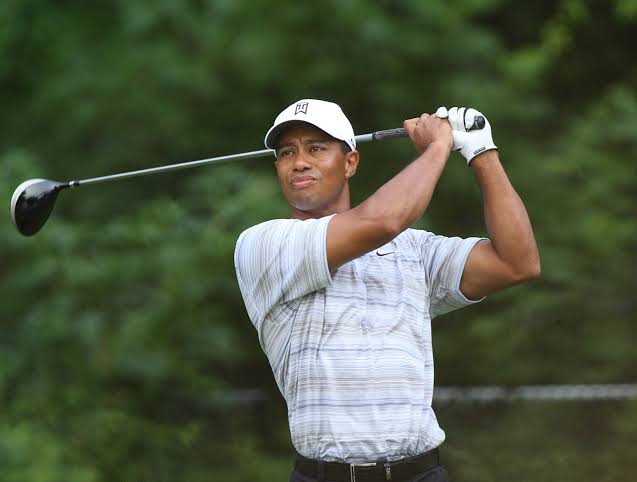
Most golf careers are measured in trophies. Tiger Woods forced the sport to measure itself in something larger: television ratings, prize-money growth, global audience, and the value of a name. Thirty years after he turned professional, the ledger is still unmatched. Fifteen major championships. Eighty-two PGA Tour victories, tied with Sam Snead for the all-time record. More than $120 million in official Tour earnings. And a personal fortune that Forbes now places near $1.5 billion.
That last figure is the part of the story that keeps expanding. Woods did not simply dominate golf. He turned dominance into a commercial machine that continued to generate wealth long after his weekly playing schedule slowed. In the modern athlete economy, few names have been converted into equity, apparel, and media assets as effectively.
The Arrival
Woods turned professional in August 1996 at age 20, arriving from Stanford with three consecutive U.S. Amateur titles and a level of anticipation the PGA Tour had rarely seen. At a press conference before the Greater Milwaukee Open he offered three words that became a marketing line for a generation: “Hello, world.” He did not wait long to justify the attention. Within two months he had won the Las Vegas Invitational and the Walt Disney World/Oldsmobile Classic.
In April 1997, eight months into his professional career, Woods won the Masters by 12 strokes. He was 21. The margin remains the largest in tournament history, and the victory announced that the old order of the game had been permanently disrupted. A new standard for power, preparation, and competitive intensity had arrived in one package.
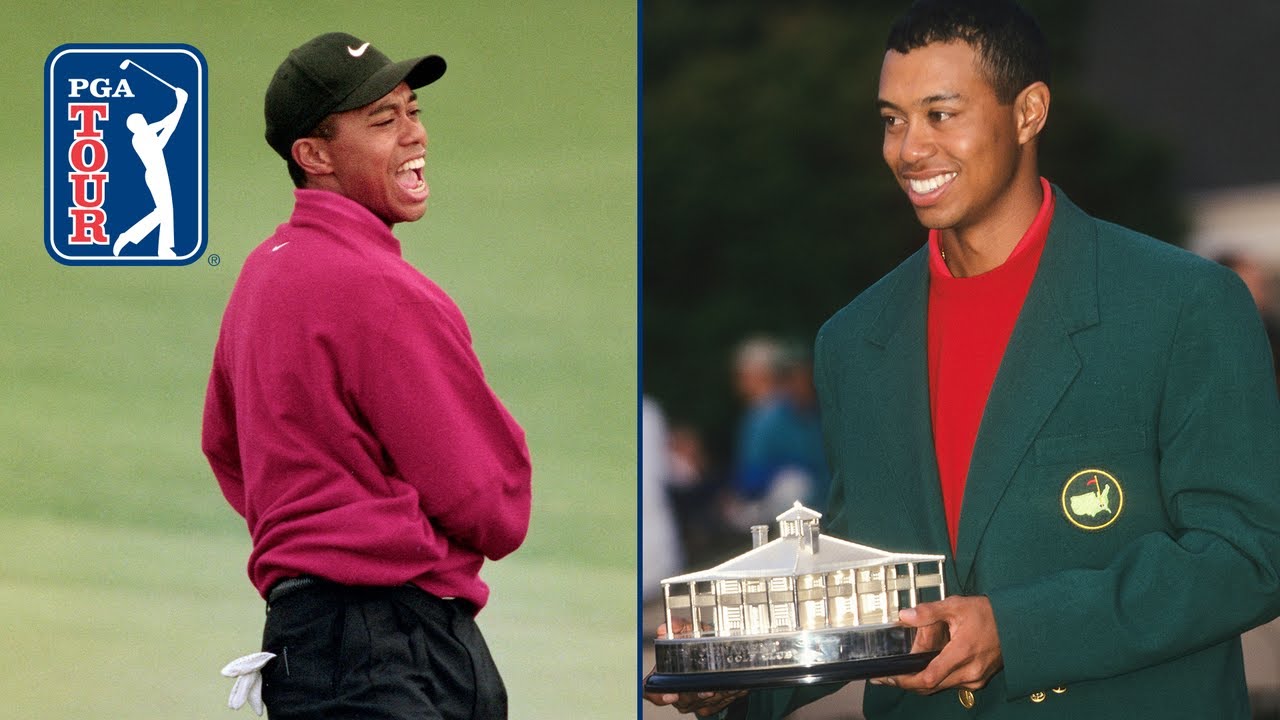
The 1997 Masters, won by 12 strokes, remains the signature opening statement of Woods’ professional career. (Placeholder)
Era of Dominance
From 1999 through the mid-2000s, Woods produced a stretch of excellence that most historians rank among the greatest in any sport. The 2000 season still stands apart: nine PGA Tour victories, three majors, and a U.S. Open winning margin of 15 strokes at Pebble Beach. The following April he completed the Tiger Slam, becoming the only player ever to hold all four professional major titles at the same time.
His 15 major championships place him second only to Jack Nicklaus’s 18. The major list includes five Masters titles, four PGA Championships, three U.S. Opens, and three Open Championships. His 82 PGA Tour wins remain tied for the most in history. At his peak he was not merely the best player in the field. He was the gravitational center of the sport, the reason casual fans watched and the reason purses, ratings, and global interest moved in the same direction.
Career Snapshot
Changing the Game
Woods changed more than leaderboards. He expanded the audience for golf across racial and demographic lines, pulled a new generation into the sport, and raised the physical and mental standard for what elite competition looked like. Tournament purses grew. Television contracts grew. A wave of younger players grew up measuring themselves against a standard that had not existed a decade earlier.
He also changed how a golfer could be marketed. Before Woods, even the greatest players were largely confined to a niche sport. After Woods, golf had a global superstar whose Sunday rounds felt like primetime events. Sponsors treated him less like a tour professional and more like a worldwide entertainer. That shift is still visible in the economics of the modern game.
The $1.5 Billion Empire
Official PGA Tour earnings, though a record at more than $121 million, account for only a fraction of Woods’ wealth. Forbes estimates his net worth at approximately $1.5 billion as of 2026, making him the wealthiest golfer in history and one of the few athletes to reach billionaire status. Career pretax earnings, including endorsements and business interests, have been estimated near $2 billion.
The architecture of that fortune was built off the course. Early Nike contracts set records for athlete deals and helped define a generation of sports marketing. Later partnerships with Rolex, Bridgestone and others provided long-term stability. In recent years his Sun Day Red apparel brand and ownership interest in TGL, the technology-driven golf league, have added new equity value. The pattern is consistent: Woods treated his name as an asset class, not merely a signature on a visor.
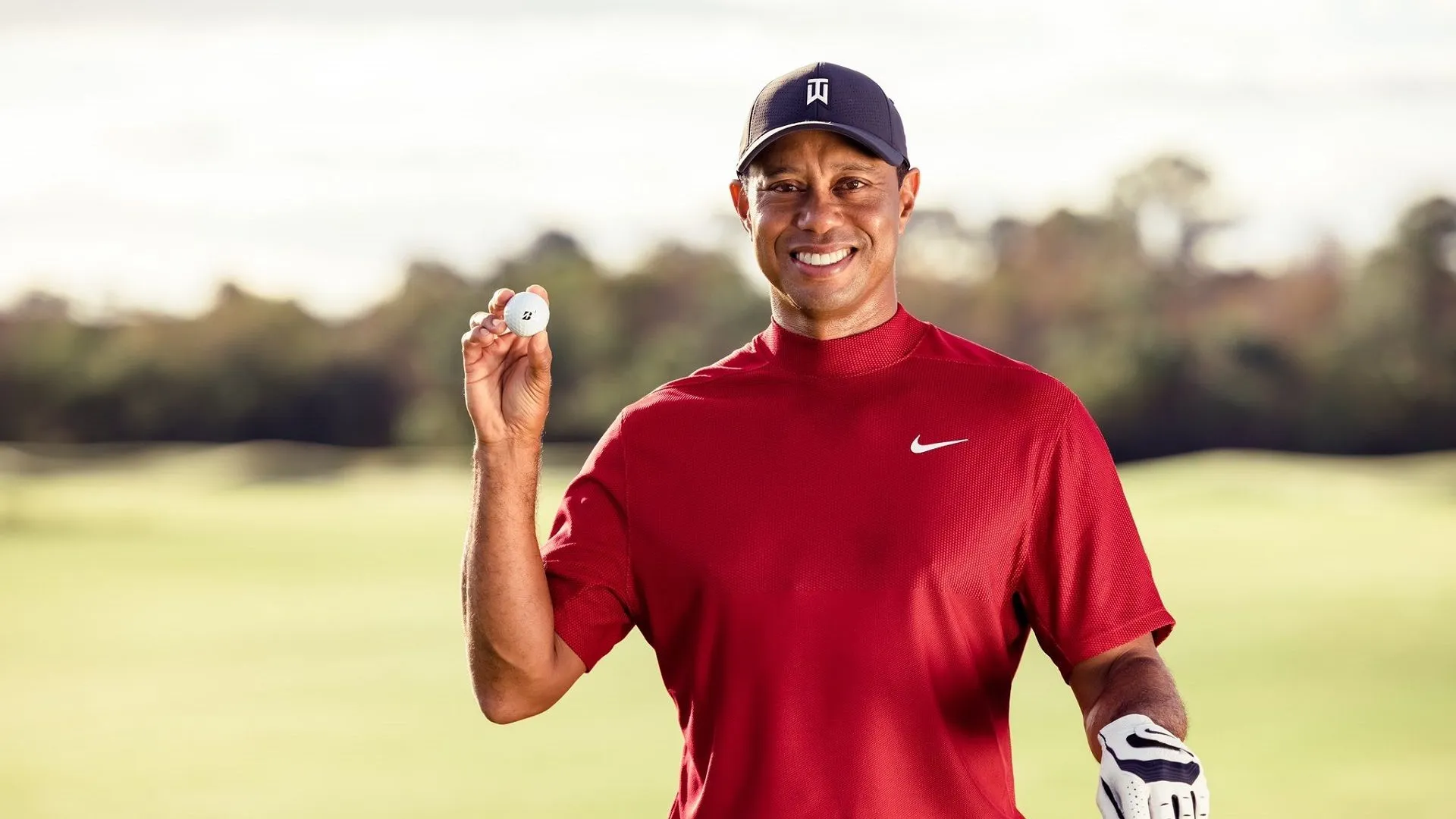
Endorsements, apparel, and equity stakes turned on-course dominance into a multi-decade financial engine. (Placeholder)
That is why the business story has outlasted the weekly tee sheet. Even as his competitive schedule became more selective, the brand continued to move product, attract partners, and compound value. In golf, no other player has converted sporting transcendence into this scale of commercial power.
Lasting Legacy
The record books will always show Woods second to Nicklaus in major championships and tied with Snead in PGA Tour victories. Those numbers are fixed. What continues to grow is the economic and cultural imprint. He made golf bigger. He made golfers richer. He made a single name valuable enough to sit beside the largest athlete brands in the world.
Three decades after a 20-year-old said hello to the world, the greeting still pays. Fifteen majors built the legend. The empire around those majors is what made Tiger Woods unique even among the greats.
James Harrington has covered professional golf for more than two decades and is based in Florida.