Tiger Woods Built More Than a Record Book. He Built a Company.
Fifteen majors and 82 PGA Tour wins made him the standard. Nike, apparel, equity, and a $1.5 billion fortune made him the business of golf.

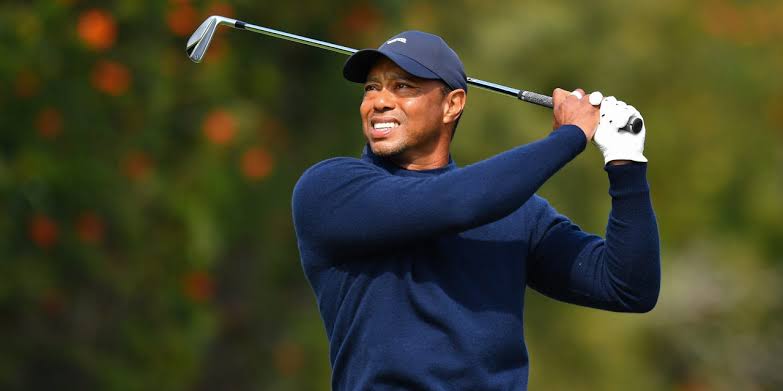
Tiger Woods turned a once-niche sport into a global commercial engine. (Placeholder)
The simplest way to measure Tiger Woods is still the trophy case: 15 major championships, 82 PGA Tour victories, more than $120 million in official prize money. That is already a career only a handful of athletes in any sport can match. It is not, however, the full balance sheet.
The larger story is what those wins were used to build. Woods did not just collect titles. He changed the price of golf, the size of its audience, and the value of a single player’s name. Forbes now estimates his net worth at about $1.5 billion. Prize money is only the first line on that statement.
Hello, World
Woods turned professional in August 1996 at age 20, leaving Stanford with three straight U.S. Amateur titles and a level of attention the PGA Tour was not used to managing. Before the Greater Milwaukee Open he stepped to a microphone and said three words that later became a slogan: “Hello, world.”
The greeting was not empty. Two months later he had already won twice, at Las Vegas and Walt Disney World. The amateur legend had become a professional closer almost immediately. Sponsors noticed. Television noticed. The rest of the Tour noticed that the next decade would not look like the last one.
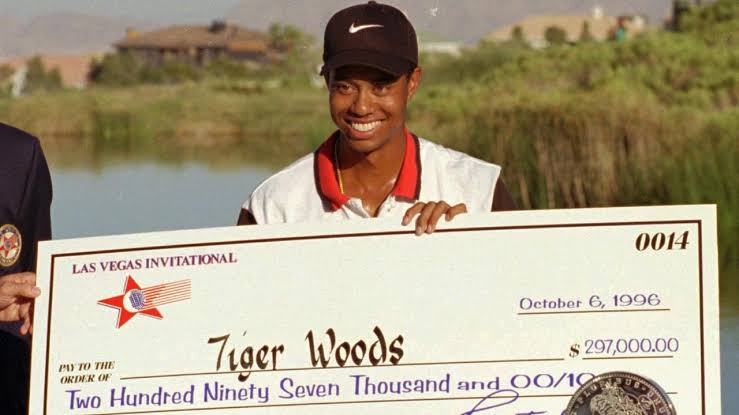
Woods’ 1996 debut season produced two PGA Tour wins before his 21st birthday. (Placeholder)
Augusta, Then the Standard
In April 1997 Woods won the Masters by 12 strokes. He was 21 years old. The winning score of 18 under remains one of the great opening statements in championship golf. It was not only a first major. It was a public announcement that power, preparation, and nerve had been combined in a new way.
That Green Jacket became the first of five. It also became the moment advertisers decided Woods was not a promising golfer. He was a worldwide product. From that week forward, Sunday at Augusta and Sunday with Tiger were treated as the same event.
The 1997 Masters, won by 12 shots. (Placeholder)
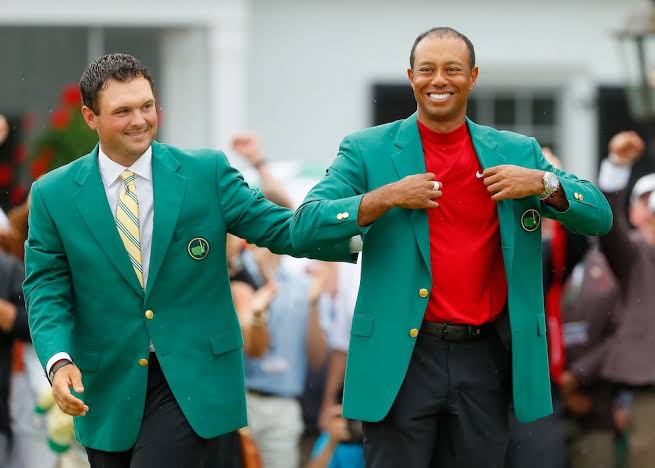
Five Masters titles sit at the center of his major record. (Placeholder)
The Tiger Slam
The peak still has a name. In 2000 Woods won nine times on the PGA Tour, including the U.S. Open at Pebble Beach by 15 strokes, the Open Championship, and the PGA Championship. The following April he won the Masters again and held all four professional majors at once. No player had done it. No player has done it since.
The major count now reads five Masters, four PGA Championships, three U.S. Opens, and three Open Championships. The PGA Tour win total stands at 82, tied with Sam Snead for the most in history. Worldwide he has more than 100 professional victories. Those numbers are why arguments about the greatest player alive always start in the same place.
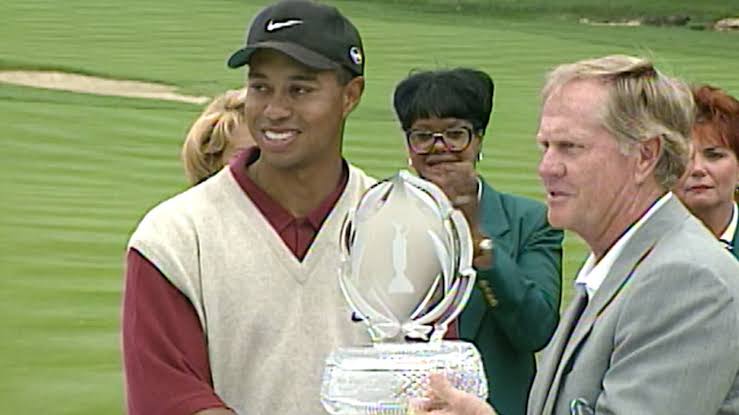
The 2000 season and the 2001 Masters produced the Tiger Slam. (Placeholder)
He Changed the Market
Woods did not only beat fields. He enlarged them. Television ratings rose when he was in contention. Tournament purses rose because the audience rose. A generation of young players grew up treating gym work, course management, and Sunday closing as the cost of entry rather than extras.
He also pulled new viewers into a sport that had long sold itself to a narrow customer. Golf became appointment television on weekends. Sponsors paid for that shift. So did the players who arrived after him and found a richer Tour than the one Woods entered in 1996.
The Nike Deal and the Brand
On-course earnings, even at a Tour record of more than $121 million, never explained the fortune. The first real engine was endorsement. Woods’ early Nike contract reset the market for athlete deals in golf and helped turn a golf-shoe company into a lifestyle brand. Later agreements with Rolex, Bridgestone and others added the kind of long-term income that does not depend on a Sunday back nine.
The logic was simple and rare. His name moved product whether he was holding a trophy or not. That is the definition of a brand that has escaped the leaderboard.
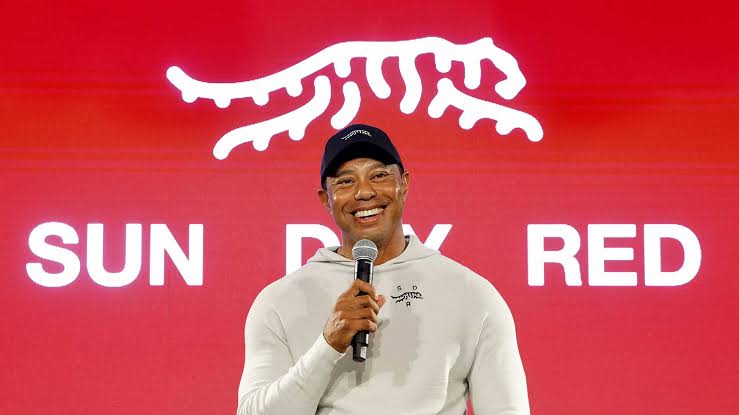
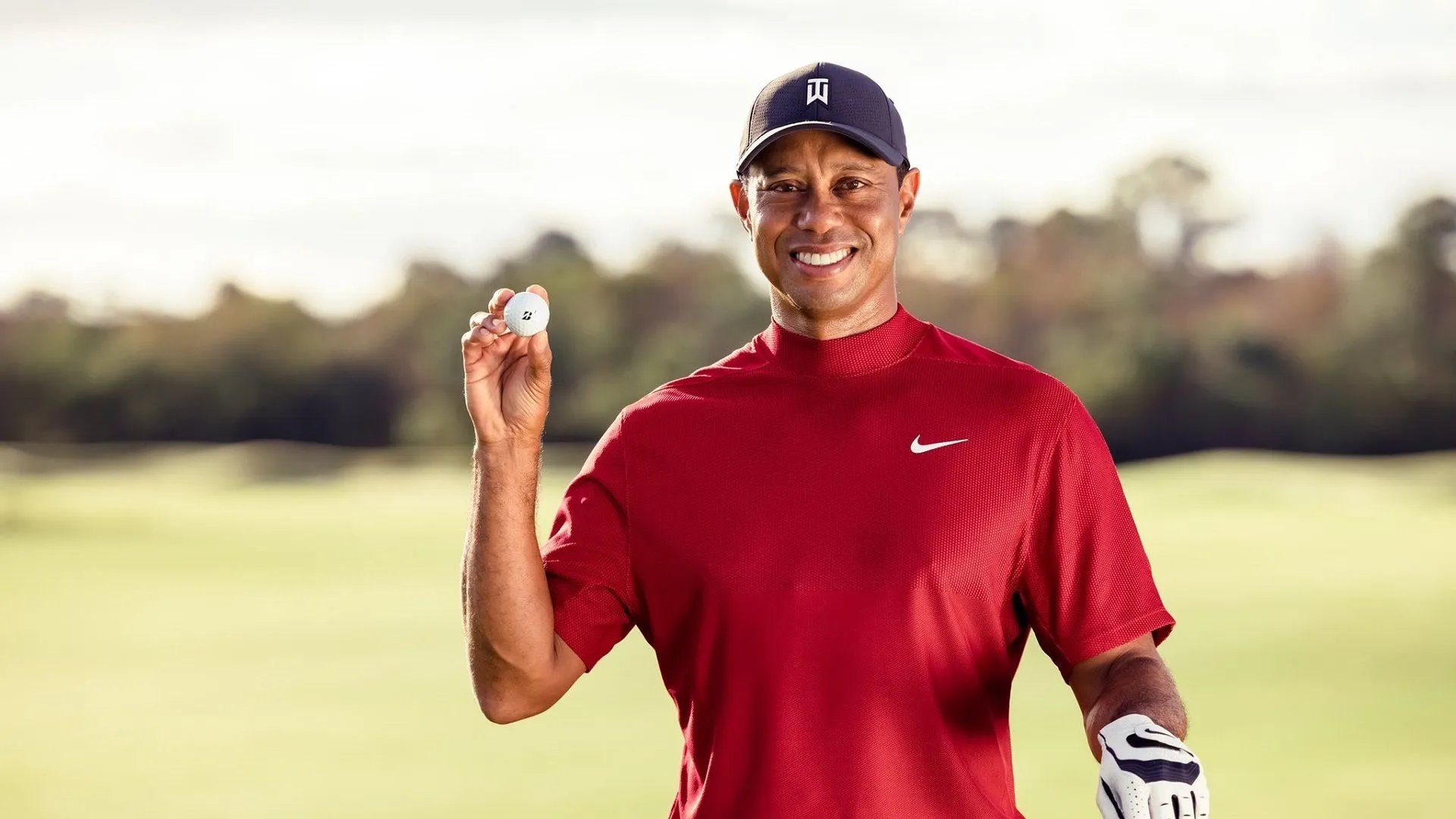
Endorsement contracts, not prize checks, built the first layer of the Woods fortune. (Placeholder)
Equity, Apparel, and TGR
The second layer is ownership. Through TGR, Woods has moved from spokesman to principal. Sun Day Red, his apparel line, put his taste and his mark on clothing rather than on someone else’s swoosh. His stake in TGL, the tech-forward golf league, added a media and events business to the portfolio.
This is why the 2026 net-worth estimates sit near $1.5 billion. Career pretax earnings, counting endorsements and equity, have been placed around $2 billion. Very little of that total comes from walking down the 18th fairway. Most of it comes from the decision, made early, to treat “Tiger Woods” as a company rather than a nickname.
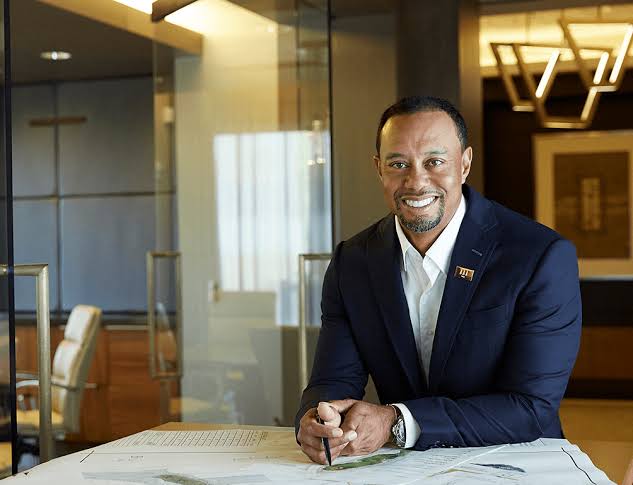
Sun Day Red and TGL extended the brand from equipment to apparel and media. (Placeholder)
What the Ledger Shows
Jack Nicklaus still leads the major list with 18. Sam Snead still shares the PGA Tour win record. Those comparisons will not move. What has already moved is the commercial ceiling of the sport. Woods set it, then kept collecting rent on the name that set it.
Thirty years after a 20-year-old said hello, the greeting is still an asset. Fifteen majors built the legend. The company built around those majors is why Tiger Woods remains, by a wide margin, the most valuable career golf has ever produced.
Robert Johnson has covered professional golf for more than two decades and is based in Florida.